Choosing the right beds is one of the most important decisions in hotel room planning. The bed determines guest comfort, room flexibility, housekeeping efficiency, and even the types of travelers your property attracts.
For hospitality operators reviewing beds for hotels, the real challenge is balancing comfort with practicality. Some guests want large beds and spacious layouts, while others need flexible sleeping arrangements for families or groups.
This guide explains the most common hotel beds, how hotels configure rooms around them, and how thoughtful bedding choices can improve durability, comfort, and operational efficiency.
What’s Inside This Guide
- What Beds Do Hotels Use And Why
- Double Bed Hotel Room Layouts
- Twin Bed Hotel Room Configurations
- Rollaway Beds In Hotels And When To Use Them
- Hotel Couch Beds And Convertible Furniture
- Bunk Beds In Hotels For Family Rooms
- Building A Flexible Bedding Setup For Hotel Beds
What Beds Do Hotels Use And Why
When hospitality teams research what beds do hotels use, they usually find that most properties rely on a few proven formats: king beds, queen beds, double beds, and twin beds.
These formats give hotels predictable room layouts and allow staff to standardize bedding, protectors, and mattress toppers across many rooms. Standardization simplifies inventory management and helps housekeeping teams work faster.
Across the industry, most modern hotel beds are paired with layered bedding systems designed to protect the mattress and simplify cleaning. A typical setup includes a mattress protector, comfortable bedding layers, and durable outer textiles.
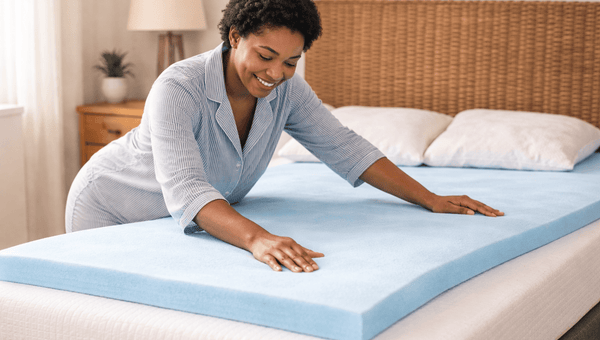
Adding a mattress topper from the mattress toppers collection can also help properties fine-tune mattress feel without replacing the mattress itself. This approach allows hotels to adjust comfort levels while extending the lifespan of the core mattress.
Double Bed Hotel Room Layouts
A common configuration in many properties is the double bed hotel room. These rooms typically include either one large double bed or two double beds designed to accommodate couples or small groups.
Guests often ask how big is a double bed in a hotel, and the answer varies slightly by region. In most hotels, a double bed measures approximately 54 inches wide and 75 inches long. Rooms with two double beds are especially popular among families or groups sharing accommodations.
For hospitality operators, double-bed rooms offer flexibility. They can serve couples, business travelers, or families without dramatically changing the room layout.
Comfort layers such as high-quality bedding from the bedding collection, along with breathable sheets like organic cotton sheets, help maintain a consistent guest experience even when the mattress itself varies between rooms.
Twin Bed Hotel Room Configurations
The twin bed hotel room remains a staple in business travel properties, conference hotels, and international accommodations.
A room with two twin beds works well for colleagues traveling together or guests who prefer separate sleeping spaces. Some properties also advertise a hotel with two beds specifically to attract groups or families who want separate sleeping areas without booking multiple rooms.
From an operations perspective, twin beds allow hotels to maximize room capacity while keeping furniture layouts simple.
To maintain consistent comfort across rooms, many operators pair mattresses with supportive pillows like the Active Cooling Pillow and durable mattress protection from the mattress protectors collection.
Rollaway Beds In Hotels And When To Use Them
Many properties keep extra sleeping capacity available through a hotel rollaway bed. These portable beds allow staff to add sleeping space without permanently changing the room layout.
A rollaway bed hotel setup is especially useful for families, children, or guests requesting additional sleeping arrangements. Properties advertising hotels with rollaway beds often attract larger travel groups that need flexible accommodations.
Rollaway beds do introduce operational considerations. They require storage space, transport by staff, and additional bedding sets. For guest comfort, many hotels improve rollaway beds with soft blankets such as the reversible sherpa blanket and supportive pillows.
Layering bedding properly can make temporary beds feel closer to the comfort of permanent hotel mattresses.
Hotel Couch Beds And Convertible Furniture
Another flexible option used in many properties is the hotel couch bed. Sofa beds allow hotels to convert seating areas into sleeping spaces, particularly in suites or family rooms.
While convenient, sofa beds are often less comfortable than traditional mattresses. Hotels typically improve these setups with thicker bedding layers and supportive pillows to help guests sleep more comfortably.
Adding a plush comfort layer, paired with bedding like the reversible down comforter, can significantly improve how these convertible beds feel overnight.
Bunk Beds In Hotels For Family Rooms
Some properties also incorporate bunk beds in hotels, particularly in resorts, hostels, and family-focused accommodations.
Bunk beds allow hotels to maximize sleeping capacity within a smaller room footprint. This configuration is popular in ski resorts, cruise cabins, and family suites where multiple children share the same room.
Even though bunk beds are compact, comfort still matters. Durable sheets, protective mattress covers, and layered blankets help maintain hygiene and simplify housekeeping.
Hotels often standardize bedding items across room types so that linens used on bunk beds match those used on larger beds. This simplifies laundry operations and inventory tracking.
Building A Flexible Bedding Setup For Hotel Beds
Regardless of room layout, the bedding system used on beds for hotels plays a major role in long-term maintenance costs and guest satisfaction.
A well-planned setup usually includes:
- Protective layers such as mattress protectors
- Comfort layers like mattress toppers
- Durable sheets and bedding
- Comforters and blankets that withstand frequent washing
This layered approach helps hotels protect their mattresses, maintain consistent comfort across rooms, and simplify cleaning procedures for housekeeping teams.
For operators evaluating bedding upgrades, the goal is not just improving sleep quality. The right bedding system also reduces mattress wear, simplifies laundry cycles, and improves the consistency of the guest experience across hundreds of stays.
When hotel beds are paired with durable, washable bedding layers, the result is a room that feels comfortable for guests and practical for the teams responsible for maintaining it.