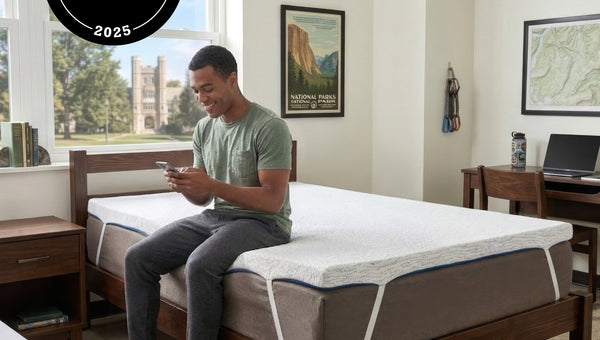
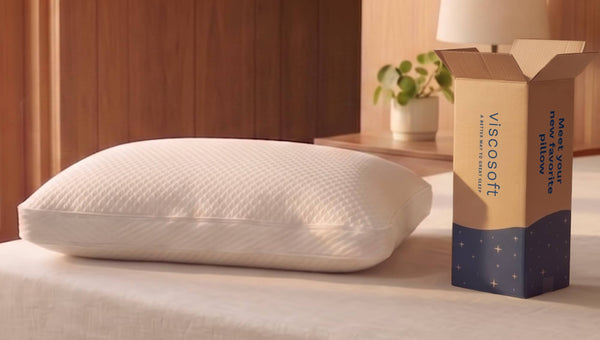
Memory foam is built for comfort, but it is not the easiest material to clean after a spill. Foam can hold moisture, and deep cleaning a mattress is much harder than washing a removable layer. That is why a good mattress protector is one of the simplest ways to keep a memory foam bed cleaner for longer.
If you are choosing a mattress protector for memory foam, the goal is not just to cover the bed. The right protector should help block spills, fit securely, wash easily, and keep the mattress comfortable. It should protect the surface without making the bed feel stiff, noisy, or too warm.
This guide explains what to look for in a protector, how to choose the right fit for a mattress or topper, and which features matter most for daily use.
Why memory foam needs a protector
Memory foam responds to heat and pressure. That is what gives it its close, contouring feel. But once liquid reaches the foam, it can be slow to dry and harder to clean than a normal fabric surface.
A protector gives you a washable layer between your body and the mattress. It helps reduce direct contact with sweat, skin oils, spills, and everyday dust. If something does happen, it is much easier to wash the protector than to clean the foam underneath.
For stains that have already reached the mattress, use gentle care and avoid soaking the foam. Our guide to cleaning a memory foam mattress explains how to handle common messes without damaging the material.
Viscosoft's insight
The best time to protect memory foam is before there is a spill. A washable protector helps keep daily moisture and stains away from the foam layer, which makes the whole bed easier to maintain.
What to look for in a mattress protector for memory foam
The best mattress protector for memory foam should protect the mattress while keeping the sleep surface comfortable. A protector that is stiff, noisy, or poorly fitted can change the way the bed feels, even if it technically does its job.
Start with the basics: waterproof protection, secure corners, a smooth top surface, and care instructions that are easy to follow. If you sleep warm, breathability and cooling materials may matter too.
It also helps to think about your full bed setup. If you use a topper, pillowtop, or deeper mattress, the protector needs to fit over the full height cleanly. A protector that pulls too tight can flatten the surface feel. One that is too loose can bunch under the sheet.
Mattress protector vs mattress pad vs mattress cover
Mattress protector, mattress pad, and mattress cover are often used as if they mean the same thing. They do not always do the same job.
| Product type | Main purpose | Best use | What to check |
|---|---|---|---|
| Mattress protector | Helps protect against spills, sweat, stains, and daily wear | Keeping a memory foam mattress or topper cleaner | Waterproof layer, fit, breathability, and wash instructions |
| Mattress pad | Adds light cushioning or softness | Small comfort changes without much added height | Whether it is waterproof or only padded |
| Mattress topper | Changes the feel of the mattress more noticeably | Adding cushioning, support, cooling, or pressure relief | Thickness, density, cover, and whether it also needs protection |
| Mattress cover | Can mean a protector, fabric cover, or encasement | General coverage, depending on the product | The actual product function before buying |
If your main goal is comfort, a pad or topper may be the better category to compare. If your goal is protection, start with a true waterproof protector. For a deeper comparison, read our guide on mattress toppers and mattress pads.
Waterproof protection matters with memory foam
A waterproof mattress protector for memory foam is useful because memory foam should not be soaked. Even when the foam can be spot cleaned, liquid that reaches deeper layers may take longer to dry fully.
This is especially important in kids’ rooms, guest rooms, pet-friendly homes, humid spaces, or any bed where spills and sweat are common. A protector adds a barrier that can be removed and washed instead of forcing you to clean the mattress itself.
For everyday protection, the Active Dry mattress protector is a practical option to compare. It is designed for daily mattress protection while keeping the sleep surface comfortable.
Fit is just as important as protection
A protector only works well if it stays in place. If the corners pull off, the fabric bunches, or the protector shifts under the sheet, the bed can feel uneven and less comfortable.
When choosing a mattress protector for memory foam bed setups, check the full mattress height before buying. If your mattress is deeper than average, or if you have added a topper, pocket depth becomes even more important.
This matters for comfort and protection. A protector that is too tight can compress the surface. A protector that is too loose can wrinkle under the sheet and leave parts of the mattress exposed.
Viscosoft's insight
Measure the full sleep surface, not just the mattress label. If you use a topper, include that height before choosing a protector.
Do you need a protector for a memory foam topper?
Yes, it often makes sense. A topper sits close to your body, so it can collect sweat, skin oils, spills, and dust in the same way a mattress can.
A mattress protector for memory foam topper setups should cover the topper securely without flattening it or bunching at the corners. Some people place the protector over both the topper and mattress. Others protect the topper separately, depending on the height and construction of the bed.
If your topper has a removable cover, follow the care label for that cover. A protector can still help by adding another washable layer above it. For topper maintenance, see our guide on how to care for your mattress topper.
Cooling and breathability
Some sleepers worry that a waterproof protector will make memory foam feel warmer. That can happen with protectors that are thick, stiff, or poorly ventilated. A better protector should balance moisture protection with a comfortable surface feel.
If you sleep hot, look for a protector that feels smooth and breathable under your sheets. Sheets, blankets, room temperature, mattress type, and topper design can all affect how warm the bed feels, so the protector is only one part of the setup.
The Active Cooling + Protector is a better fit to compare when cooling is one of your main concerns.
If heat is the main issue with your current bed, it may also be worth comparing cooling toppers. Our guide to memory foam vs gel foam explains how foam type can affect comfort and temperature.
Noise and feel
A good protector should not make your mattress feel like a plastic sheet. If it crinkles, slides, or adds a stiff layer under your body, it can take away from the reason many people choose memory foam in the first place.
This matters because memory foam is designed to contour. A bulky protector can interfere with that close, pressure-responsive feel. The best option should feel quiet and smooth once your fitted sheet is on top.
When comparing protectors, look for a secure fit, a soft surface, and simple care instructions. Those details are what make a protector easier to live with every night.
Wash and care instructions
A protector is meant to be washed, so care instructions should be clear before you buy. Check whether it is machine washable and how it should be dried.
High heat can damage some waterproof layers, stretch fabrics, or cooling materials. Follow the label and let the protector dry fully before putting it back on the bed.
A protector should be washed after spills and as part of regular bedding care. Keeping it clean helps keep the layers underneath cleaner too.
Warranty and mattress care
A protector can help reduce the chance of stains that may affect mattress warranty coverage. Warranty terms vary by brand and product, so always read the details for your own mattress.
The practical point is simple: it is easier to wash a protector than to clean a stained foam mattress. Adding one early can save you time and help keep the bed in better condition.
If you are still building out the rest of your sleep setup, our full guide to memory foam explains how foam responds to pressure, heat, density, and daily use.
What is the best mattress protector for memory foam?
The best mattress protector for memory foam mattress use is one that protects against moisture, fits the full bed depth, washes easily, and does not change the feel of the mattress too much.
For many shoppers, the best mattress protector for memory foam beds depends on the main problem they want to solve. A guest room may need simple waterproof protection. A hot sleeper may need a cooling surface. A bed with a topper may need a deeper fit.
For daily protection, start with the Active Dry mattress protector. For a cooling-focused option, compare the Active Cooling + Protector. You can also browse the full ViscoSoft mattress protectors collection.
Final takeaway
The right mattress protector for memory foam mattress should do its job quietly. It should help protect against spills, sweat, stains, and daily wear without making the bed feel stiff, noisy, or too warm.
For most memory foam beds, the best choice is a waterproof, washable protector that fits securely and works with the full mattress height. If you use a topper, measure the mattress and topper together before choosing a size.
To protect your bed, compare ViscoSoft mattress protectors. If your mattress also needs a comfort upgrade, explore ViscoSoft mattress toppers.