Memory foam feels like a modern sleep material, but its story started long before boxed mattresses and mattress toppers became common. It began with a simple problem: how to make seating safer, softer, and better at absorbing impact.
Today, memory foam is used in mattresses, toppers, pillows, seat cushions, medical supports, and even footwear. Before it became part of everyday sleep, it was a space-age material developed for comfort and protection.
What is memory foam?
If you are asking what is memory foam, the simple answer is this: memory foam is a type of foam that responds to body heat and pressure. When you lie on it, it slowly adapts to your shape. When pressure is removed, it returns to its original form.
This slow response is what gives memory foam its familiar contouring feel. Instead of pushing back right away like some firmer materials, it spreads weight across the surface. That is why it became useful in bedding, seating, and other products where pressure relief matters.
Memory foam is also known as viscoelastic foam. That word simply means it has both soft, flexible qualities and a slow return after pressure is applied.
Viscosoft's insight
Memory foam is not just about softness. The real value is how it reacts to pressure. A good foam layer should help cushion the body while still returning to shape after use.
Memory foam started with NASA
The first version of memory foam was developed in the 1960s through NASA-related research. The goal was not to make a mattress. The goal was to create a material that could absorb shock and improve comfort in aircraft seating.
Aeronautical engineer Charles Yost helped develop the early open-cell foam that later became known as temper foam. It was designed to respond to pressure, cushion the body, and return to shape slowly after use.
That early material was useful because it could spread force across a larger area. For seats exposed to hard movement, pressure, or impact, that was a meaningful improvement.
How memory foam moved beyond aircraft seats
After its early aerospace use, memory foam began moving into other areas where cushioning and pressure relief were important. It was tested and adapted for medical seating, hospital surfaces, protective gear, and specialty cushions.
Early memory foam was not perfect. It could be difficult to make, expensive to produce, and less consistent than the foam used today. Some early versions also had issues with heat and durability. Over time, manufacturers improved the formulas, making memory foam more practical for everyday products.
That slow move from technical use to consumer use is what made memory foam different from a short-lived trend. It solved a real comfort problem first, then later became part of the home.
How memory foam entered mattresses and pillows
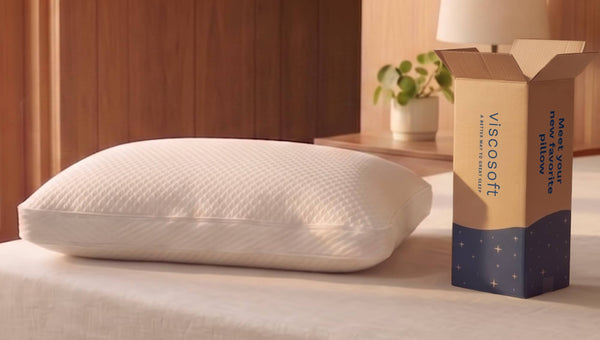
By the 1990s, memory foam had started showing up in mattresses and pillows. This is where many people first experienced the material. The idea was simple: use the same pressure-responsive quality to create a sleep surface that could adapt to the body.
Memory foam became popular because it felt different from traditional mattress materials. It did not just add a soft layer. It changed how the surface responded to shoulders, hips, back, and body weight.
That is why memory foam is still common in mattresses, toppers, and pillows today. It gives brands a way to adjust comfort, pressure relief, and motion control without relying only on springs or fiberfill.
For a broader guide to memory foam types, density, thickness, and sleep feel, read All There is to Know About Memory Foam.
The rise of gel and cooling memory foam
One common issue with traditional memory foam is heat. Because the material adapts closely to the body, some people feel warmer on it than they do on a more open or spring-based surface.
That led brands to develop new versions of memory foam with cooling-focused designs. Some use gel. Some use copper, graphite, or breathable covers. Others use open-cell structures or surface ventilation to improve airflow.
If you are comparing a gel infused memory foam mattress topper, the key point is not just the word gel. Look at the full design: foam density, thickness, cover material, airflow, and whether the topper solves the comfort problem you actually have.
The Active Cooling Copper Topper is one example of a modern cooling-focused memory foam topper. For a wider view of topper options, see our mattress toppers collection.

Viscosoft's insight
Cooling features can help, but they should be matched to the sleeper. A hot sleeper, a firm mattress, and a worn mattress may all need different solutions. The best topper is the one that solves the right problem.
Modern uses of memory foam today
Memory foam is now used far beyond mattresses. You can find it in pillows, seat cushions, medical supports, travel cushions, pet beds, and footwear.
Some memory foam insoles use the material to cushion the foot during daily movement. The goal is similar to bedding: reduce pressure and make the surface feel more adaptive. The same basic idea can also be found in office chairs, wheelchair cushions, and other products designed for longer periods of sitting or standing.
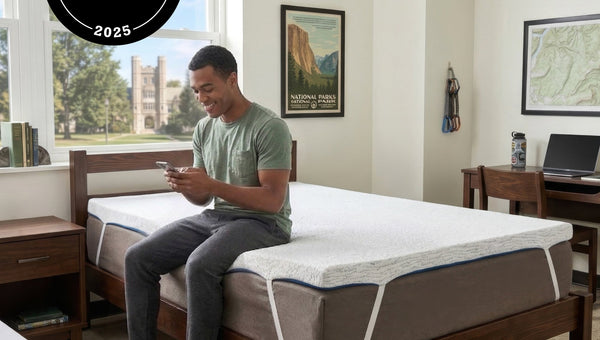
In the bedroom, memory foam remains most common in mattresses, pillows, and toppers. Toppers are especially practical because they can adjust the surface feel of an existing mattress without replacing the whole bed.
If your mattress is supportive but feels too firm or too flat, the Hybrid Lux mattress topper is one option to compare. If you are unsure where to start, the best mattress toppers guide can help you narrow the choice.
Common memory foam questions
This article covers the history of memory foam, but many readers also have care and buying questions. Those deserve their own answers so each topic stays clear.
- If you are wondering are memory foam mattresses good, start with our full memory foam guide.
- If you want to know how long do memory foam mattresses last, the answer depends on foam density, use, support, and care. Our memory foam guide covers those factors in more detail.
- If you are searching for how to clean memory foam mattress, use our step-by-step article on cleaning a memory foam mattress.
- If your question is can you wash memory foam pillows, always check the care label first. Many pillow covers can be removed and washed, but the foam core may need spot cleaning instead.
Why memory foam still matters
Memory foam has stayed relevant because it solves a common comfort problem. It adapts to pressure in a way many other materials do not. That is why it continues to appear in products that need cushioning, support, and a more personalized surface feel.
It has also changed over time. Early foam was harder to produce and often warmer to sleep on. Modern versions use better foam formulas, different densities, cooling materials, and removable covers to make the material more useful in real homes.
That progress is why memory foam is still part of today’s sleep conversation. It is not the right answer for every sleeper, but it remains one of the most common ways to add contouring comfort to a mattress, topper, or pillow.
Final takeaway
The history of memory foam starts with NASA-related research, not bedding. It was first developed to improve cushioning and absorb shock, then moved into medical, automotive, seating, and consumer comfort products.
Today, memory foam is best known for mattresses, pillows, and toppers. Its purpose is still simple: respond to pressure, cushion the body, and return to shape after use.
If you want to learn how memory foam works in sleep products, start with our main memory foam guide. If you want to improve the feel of your current mattress, explore ViscoSoft mattress toppers.