Choosing the right beds is one of the most important decisions in hotel room planning. The bed affects guest comfort, room layout, housekeeping time, linen inventory, maintenance costs, and the types of travelers a property can serve.
For hospitality operators reviewing beds for hotels, the challenge is balancing comfort with practicality. Some guests expect a large king bed and a more premium layout. Others need flexible sleeping arrangements for families, groups, business travelers, or extended stays.
This guide explains the most common hotel beds, how different room types use them, and how bedding layers can support comfort, durability, cleaning, and operational consistency without turning every room into a completely custom setup.
A good sleep environment matters in hotels just as much as it does at home. The Sleep Foundation notes that temperature, noise, light, and comfort can affect sleep quality. For hotels, those factors depend not only on the mattress but also on bedding, room layout, HVAC performance, housekeeping standards, and how consistently each bed is maintained.
Summary
- The most common hotel beds include king, queen, double, twin, rollaway, sofa beds, and bunk beds, depending on the room type and guest profile.
- Hotels often standardize bedding layers across similar room types to simplify housekeeping, laundry, inventory, and replacement planning.
- A flexible bedding setup usually includes a supportive mattress, an optional comfort layer, a mattress protector, durable sheets, pillows, and washable top bedding.
Viscosoft's insight
Hotel beds need to work for guests and staff. A bed can feel comfortable for one night, but the full setup also has to be easy to strip, inspect, launder, protect, and reset hundreds of times.
What beds do hotels use and why?
When operators research what beds do hotels use, they usually find a few familiar formats: king beds, queen beds, double beds, twin beds, rollaway beds, sofa beds, and bunk beds. The right choice depends on the room size, target guest, rate strategy, and housekeeping workflow.
Most hotels choose bed types that are easy to repeat across rooms. Standardization helps teams order the right linens, protectors, mattress pads, pillows, and replacement parts. It also helps housekeeping teams reset rooms faster because the process is predictable.
A hotel bed is not only the mattress. A complete sleep setup may include a mattress protector, optional topper or mattress pad, fitted sheet, flat sheet, blanket or comforter, pillows, pillow protectors, and decorative top layers. Each layer should support either comfort, cleanliness, durability, or presentation.
If a mattress is still supportive but the surface feel varies across rooms, a mattress topper can help adjust comfort without replacing the entire mattress. For general buying considerations, read the guide on how to compare mattress toppers.
Hotel bed types and common room uses
Bed sizes can vary by country, brand, supplier, and property standard. The measurements below reflect common U.S. sizing, but hotel teams should confirm exact dimensions with their mattress and linen suppliers before ordering.
| Hotel bed type | Common size reference | Best fit | Operational note |
|---|---|---|---|
| King bed | About 76" x 80" | Premium rooms, couples, business travelers, suites | Strong guest appeal, but requires larger rooms and larger bedding inventory. |
| Queen bed | About 60" x 80" | Standard rooms, couples, solo travelers | Flexible option for many room types and easier to fit than a king. |
| Double bed | About 54" x 75" | Two-bed rooms, families, groups, budget-friendly layouts | Useful for occupancy flexibility, but can feel narrow for two adults. |
| Twin bed | About 38" x 75" | Shared rooms, business travelers, international layouts | Easy to separate for guests who want individual sleep spaces. |
| Rollaway bed | Varies by supplier | Temporary extra sleeping space | Requires storage, staff transport, extra linens, and room-capacity controls. |
| Sofa bed | Varies by furniture style | Suites, family rooms, extended-stay rooms | Adds flexibility but often needs careful bedding and comfort planning. |
| Bunk bed | Varies by design | Family rooms, hostels, resorts, group lodging | Maximizes occupancy but needs low-bulk bedding and safe access. |
Viscosoft's insight
The best hotel bed type is not always the largest one. A smaller bed that fits the room, works with housekeeping, and matches guest expectations can perform better than a large bed that makes the layout feel cramped.
Double bed hotel room layouts
A double bed hotel room may include one double bed or, more commonly in many properties, two double beds. Rooms with two double beds are useful for families, friends, sports teams, tour groups, and guests who want separate sleeping surfaces without booking multiple rooms.
Guests often ask how big is a double bed in a hotel. In many U.S. contexts, a double bed is commonly about 54 inches wide and 75 inches long. That makes it wider than a twin bed but narrower than a queen. For two adults, a double bed can feel tight, so room descriptions should be clear.
For operators, double-bed rooms offer occupancy flexibility. They can serve couples, parent-child stays, small groups, and budget-conscious travelers. The tradeoff is that two-bed rooms require more bedding pieces per room, which increases laundry volume and room-reset time.
To keep double-bed rooms consistent, use durable bedding that fits the mattress depth correctly. Browse bedding and cotton sateen sheets if you are comparing smooth, washable layers for standard hotel beds.
Twin bed hotel room configurations
A twin bed hotel room usually includes two separate twin beds. This layout is common in business hotels, conference properties, hostels, international hotels, school travel accommodations, and group lodging.
A hotel with two beds can serve guests who do not want to share a mattress, such as colleagues, siblings, friends, or tour-group travelers. Twin beds also give operators more flexibility because the layout can make a compact room feel organized without using one large mattress.
From an operations standpoint, twin rooms need bedding that is easy to remove and reset. Since two beds are being stripped and remade instead of one, small time savings per bed can matter across a full housekeeping board.
Supportive pillows, fitted protectors, and standardized sheets can help keep twin rooms consistent across the property. Compare pillows and mattress protectors when planning replacement cycles.
Rollaway beds in hotels and when to use them
A hotel rollaway bed gives a property temporary sleeping capacity without permanently changing the room layout. Rollaway beds can help families, children, groups, or last-minute guests who need one more sleep surface.
A rollaway bed hotel setup works best when the property controls availability carefully. Rollaways need storage space, staff transport, proper cleaning, extra bedding, and clear room-capacity policies. Not every room can safely or comfortably fit a rollaway, especially if walkways, exits, or furniture clearance become crowded.
Comfort can also vary. A rollaway bed is usually not expected to feel like a permanent hotel mattress, but it should still be clean, stable, and properly layered. A fitted protector, sheet set, supportive pillow, and washable blanket are the practical minimum. A thin comfort layer may help if the rollaway mattress feels too firm, but it should not make storage harder.
Viscosoft's insight
Rollaway beds should be treated like temporary sleep systems, not storage-room extras. Inspect the frame, mattress, wheels, protector, and bedding before assigning one to a guest room.
Hotel couch beds and convertible furniture
A hotel couch bed is common in suites, extended-stay rooms, family rooms, and properties that need flexible seating and sleeping space. Sofa beds help hotels increase occupancy without making the room feel like a dormitory during the day.
The challenge is comfort. Sofa bed mattresses are often thinner than standard hotel mattresses, and guests may feel bars, hinges, gaps, or uneven support. A better bedding setup can help, but the right solution depends on the sofa bed design and available storage.
For hotel sofa beds, focus on layers that are easy for staff to deploy and remove. A sofa bed mattress topper can help if the sleep surface feels thin or uneven, while a protector helps keep the mattress cleaner between uses. For more guidance, read how to make a couch sleep-ready or compare sofa bed mattress toppers.
If sofa beds are a core part of the room offering, keep a dedicated bedding kit for each sofa bed room: protector, fitted sheet, flat sheet, pillow, pillowcase, and blanket. That makes the setup faster and more consistent for housekeeping or evening service.
Bunk beds in hotels for family and group rooms
Bunk beds in hotels are common in resorts, hostels, family suites, ski properties, cruise-style accommodations, and group lodging. They maximize sleeping capacity while keeping the room footprint smaller.
Bunk beds need careful bedding decisions because top bunks are harder to access and often have limited clearance. Thick toppers, oversized comforters, and too many pillows can make bunks harder to reset and may interfere with rails or ladders.
For hotel bunk beds, use low-bulk, fitted, washable layers. A mattress protector helps keep the mattress cleaner, while lightweight sheets and blankets make housekeeping easier. If a comfort layer is needed, use the lowest-profile option that still improves the surface feel.
Bunks also need regular checks for rails, ladders, loose hardware, mattress fit, and bedding that may bunch near edges. Comfort matters, but safety and access should always come first.
Building a flexible bedding setup for hotel beds
Regardless of room layout, the bedding system used on beds for hotels plays a major role in long-term maintenance costs and guest satisfaction. A well-planned setup helps protect the mattress, reduce visible wear, simplify cleaning, and make comfort more consistent across rooms.
A practical hotel bedding stack may include:
- Base mattress: Provides the main support and should match the room category and expected guest use.
- Comfort layer: A topper or mattress pad can adjust the surface feel when the mattress is still supportive.
- Protection layer: A mattress protector helps shield the mattress from spills, sweat, stains, and everyday wear.
- Sheet layer: Sheets should fit securely, feel comfortable, and hold up to repeated laundering.
- Pillow layer: Pillow options should support different sleep preferences without creating excess inventory complexity.
- Top bedding: Comforters, blankets, or duvets should balance guest comfort with washability and storage.
If mattress comfort is inconsistent across rooms, compare topper options before replacing every mattress at once.
Mattress protectors and housekeeping efficiency
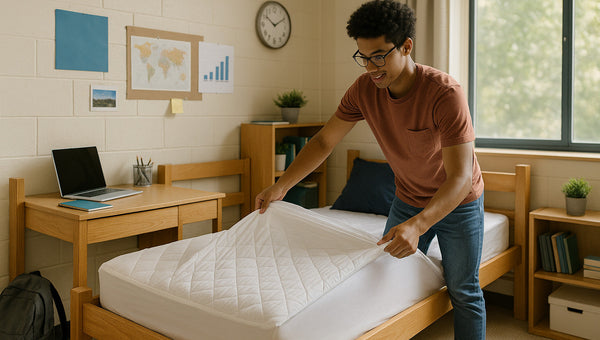
Hotel mattresses are expensive to replace and difficult to clean deeply between guests. A protector adds a removable barrier that helps shield the mattress from spills, sweat, stains, and daily use. This is especially useful in rooms with families, extended stays, rollaway beds, sofa beds, and high turnover.
The American Hotel & Lodging Association has published enhanced hotel cleaning and safety guidance for the lodging industry. Bedding care is only one part of hotel cleanliness, but washable protective layers can make room maintenance more consistent and easier to inspect.
When choosing a mattress protector for hotel use, consider fit, noise, feel, washability, and replacement timing. A protector that feels stiff or plastic-like can hurt the guest experience, while one that does not fit correctly may pull loose during the night or slow room resets.
For mattress protection planning, compare mattress protectors and waterproof mattress protectors by size, feel, and intended room type.
If mattress protection is the priority, add a washable protector that fits the mattress depth and supports regular room turnover.
Standardizing hotel bedding without making every room the same
Standardization does not mean every room needs the same bed. It means similar rooms should use repeatable bedding systems that housekeeping, laundry, and purchasing teams can manage reliably.
For example, king rooms may use one bedding package, double-double rooms may use another, and sofa bed rooms may have a separate convertible-bed kit. The goal is to make each setup predictable enough that staff know which protector, sheet size, pillowcase, and blanket belongs in each room type.
Helpful standardization practices include:
- Group rooms by bed type: King, queen, double, twin, bunk, rollaway, and sofa bed setups should each have a defined bedding kit.
- Limit unnecessary variations: Too many sheet depths, pillow styles, or blanket sizes can complicate inventory.
- Track replacement cycles: Protectors, toppers, pillows, and blankets should be inspected regularly for wear.
- Keep spares available: Extra protectors and pillowcases help housekeeping respond to spills and same-day room changes.
- Train by room type: Staff should know how to reset rollaways, sofa beds, bunks, and standard beds safely and consistently.
Viscosoft's insight
The best hotel bedding system is easy to repeat. When staff know exactly which layers belong on each bed type, rooms reset faster and the guest experience becomes more consistent.
Comforters, blankets, and pillows for hotel rooms
Top bedding affects both comfort and operations. A blanket or comforter should feel comfortable to guests, but it also needs to hold up to repeated use, storage, and laundering or cleaning according to property standards.
For hotel rooms, lighter bedding can be easier to manage than oversized layers that drag, bunch, or take longer to dry. In sofa bed rooms and rollaway setups, compact blankets are especially useful because they can be stored in a closet, bench, or housekeeping cart without taking over the room.
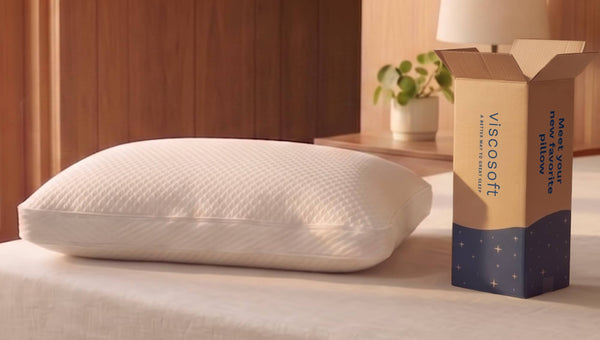
Pillows should be comfortable, replaceable, and easy to protect with pillowcases or pillow protectors. Offering too many pillow types can complicate inventory, but offering only one poor-fitting pillow can hurt guest comfort.
For guest-room bedding layers, browse down alternative comforter, throw blankets, and pillows.
If the goal is to refresh top bedding, choose washable layers that fit the room type and housekeeping process.
When should hotels use mattress toppers?
A mattress topper is useful when the mattress underneath still has support but the surface feel needs adjustment. It can help when a mattress feels too firm, when rooms need more consistent comfort, or when a property wants to refresh the sleep surface without immediately replacing every mattress.
A topper is not the right fix for every problem. If a mattress has deep sagging, broken coils, collapsed edges, odor, or structural damage, replacement may be the better option. For decision support, read the guide on choosing between a mattress topper and a new mattress.
For hotels, the best topper is not simply the thickest one. Consider bed height, sheet depth, laundering needs, storage, guest expectations, and housekeeping time. A comfort layer should improve the sleep experience without making the bed harder to maintain.
Hotel beds FAQ
What beds do hotels use most often?
Hotels most often use king, queen, double, and twin beds, depending on room size and guest type. Many properties also use rollaway beds, sofa beds, and bunk beds for flexible sleeping arrangements in family rooms, suites, group lodging, or extended-stay layouts.
How big is a double bed in a hotel?
In many U.S. hotels, a double bed is commonly about 54 inches wide and 75 inches long. Exact sizing can vary by property, region, and mattress supplier, so hotels should confirm dimensions before ordering sheets, protectors, toppers, or replacement mattresses.
What is the difference between a double bed hotel room and a twin bed hotel room?
A double bed hotel room usually includes one or two double beds, while a twin bed hotel room usually includes two separate twin beds. Double beds are wider than twin beds, while twin beds work well for guests who want separate sleeping spaces.
Why do hotels use mattress protectors?
Hotels use mattress protectors to help shield mattresses from spills, sweat, stains, and daily wear. Protectors can make room maintenance easier because they are removable, washable, and easier to inspect than the mattress itself.
Do hotels use mattress toppers?
Some hotels use mattress toppers to adjust mattress feel, improve comfort consistency, or refresh a bed when the mattress is still supportive. A topper should not be used to cover up a mattress with deep sagging, structural damage, or major hygiene issues.
What is a hotel rollaway bed?
A hotel rollaway bed is a portable bed that staff can add to a room when extra sleeping space is needed. It usually folds or rolls for storage and requires its own bedding, protector, pillow, and cleaning process.
Are hotel couch beds comfortable?
Hotel couch beds can be comfortable, but the feel depends on the sofa bed design, mattress thickness, support, and bedding setup. A sofa bed topper, protector, fitted sheet, pillow, and blanket can make the setup feel more like a planned sleep space instead of an emergency extra bed.
Why do hotels use bunk beds?
Hotels use bunk beds to increase sleeping capacity in family rooms, hostels, resorts, group lodging, and compact rooms. Bunk beds save floor space, but they need low-bulk bedding, secure rails, clear access, and regular inspection.
How can hotels make beds feel more consistent across rooms?
Hotels can make beds feel more consistent by standardizing mattress types, protectors, sheets, pillows, comforters, and optional toppers across similar room categories. Regular inspections and clear replacement schedules also help keep room quality more predictable.
What bedding layers matter most for hotel operations?
The most important hotel bedding layers are the mattress protector, sheets, pillows, and washable top bedding. Mattress toppers and pads can also be useful when they solve a comfort problem without adding too much housekeeping complexity.
Final takeaway
The best beds for hotels are chosen for both guests and operations. A king bed may support a premium room, two doubles may serve families, twin beds may work for shared travel, rollaways may add temporary capacity, sofa beds may improve suite flexibility, and bunk beds may help family or group rooms sleep more guests.
Once the bed type is chosen, the bedding system determines how well the room performs over time. A supportive mattress, optional comfort layer, fitted protector, durable sheets, comfortable pillows, and washable top bedding can improve both guest comfort and housekeeping efficiency.
To compare practical bedding layers for hotel rooms, browse mattress toppers, mattress protectors, bedding, or sofa bed mattress toppers for convertible hotel room setups.