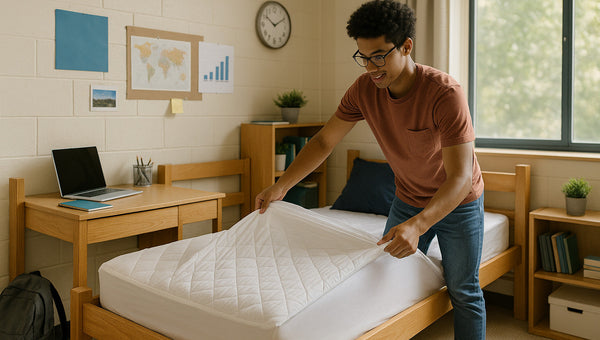
Bed configuration is one of the simplest ways to improve room flexibility without adding square footage. The layout affects who can book the room, how easy the room is to service, and whether the space still feels usable once luggage, extra bedding, and foot traffic are part of the picture.
That is why room planning should go beyond the mattress alone. A good setup has to match guest needs, preserve walking space, and stay easy to clean and reset. For most properties, the best answer is not one universal layout. It is a room mix that fits the guest profile and the building footprint.
If you are still building the full bed program, start with our guides on what beds hotels use and hotel bedding standards. This article focuses on how different room layouts work in practice.
Why bed configuration matters
Room type names shape guest expectations before arrival. When a guest books a hotel with two beds, they usually want separate sleep surfaces, not a larger single bed. That simple expectation affects room satisfaction, front desk workload, and the number of room-change requests after check-in.
From the hotel side, bed configuration is also a planning tool. It helps determine how many guests a room can handle comfortably, whether an extra sleep surface is realistic, and how much floor space housekeeping still has to work with.
A useful room layout usually does three things well:
- matches the most common guest mix
- keeps the room easy to move through
- keeps the bed setup easy to protect, clean, and reset
Viscosoft's insight
Room layout is not only a design choice. It affects guest fit, housekeeping time, bedding inventory, and how often secondary sleep surfaces need to be refreshed.
Double and twin layouts
The term double bed hotel room causes confusion because guests use it in different ways. Some mean one full or double bed. Others mean a room with two separate beds. The cleanest fix is to show both bed count and bed size in the room description, not just the room name.
When guests ask how big is a double bed in a hotel, the answer depends on the property and region. Some hotels still use traditional doubles in compact rooms, while others use queens in rooms meant for two adults. The practical takeaway for operators is simple: label the room clearly and show the layout in photos.
A twin bed hotel setup works well when separate sleep surfaces matter more than maximum bed width. It can make sense for smaller guest rooms, worker housing, student or sports groups, and value-focused properties where two sleepers need clean separation more than extra bed size.
For properties that use many twin, full, or queen rooms, it helps to keep the comfort layer consistent by size. Review hotel mattress toppers and hotel bed sheets and bedding supplies together so the topper, protector, and sheet fit all work as one system.
Viscosoft's insight
Bed count and bed size should always appear together in the room description. That removes guesswork for guests and reduces avoidable complaints at check-in.
When rollaways make sense
A hotel rollaway bed gives a property flexibility without turning every room into a permanent multi-bed layout. That can be useful for family bookings, occasional extra guests, and rooms where demand changes by season.
When families search hotels with rollaway beds, they are usually trying to add one more sleeper without booking a second room. From the hotel side, that only works well if the room still has enough open space to move around once the extra bed is in place.
The awkward phrase rollaway bed hotel points to a real operating trade-off. Rollaways can improve occupancy flexibility, but they also create storage needs, setup time, and more wear on a secondary sleep surface that may not be used every night.
Rollaways usually work best when:
- the room has enough open floor space after setup
- the property has a clear policy on which room types can accept one
- housekeeping or guest services can deliver and remove them without slowing turnover too much
- the added sleep surface has its own protector and bedding plan
For rollaways used often, consider whether a topper or pad can help make the extra bed feel closer to the main bed. If the property needs several units, review wholesale mattress toppers and pads before buying one-off replacements.
Sofa beds and suite layouts
A hotel couch bed makes the most sense in suites, family rooms, and longer-stay layouts where daytime seating matters as much as overnight capacity. It gives the room two jobs without asking for a larger footprint.
The trade-off is comfort consistency. Sofa beds and other secondary sleep surfaces are often thinner, more mechanical, and more likely to feel different from the main bed in the room. That is why they need their own bedding and comfort plan instead of being treated like an afterthought.
If a property uses sofa beds often, it can help to look at sofa toppers, hotel mattress toppers, and mattress protectors as part of the room standard.
For sofa beds that feel too firm or thin, the Hybrid Lux mattress topper is one option to compare when a softer, more cushioned surface is the goal.
Where bunk beds fit
Used carefully, bunk beds in hotels can make sense in hostels, family suites, youth-oriented stays, and some boutique concepts where sleep capacity is part of the selling point. They are less about traditional comfort positioning and more about efficient use of vertical space.
They do not fit every property. Bunks work best when the room concept, guest profile, and daily service routine are built around them. If the property wants a more standard hospitality feel, twins, doubles, sofa beds, or limited rollaway use are often easier to manage.
Bunks also need careful bedding planning because access is different from a standard bed. Simple sheets, reliable protectors, and low-bulk top layers can make the setup easier to reset. For bulk bedding needs, review hotel bed sheets and bedding supplies before finalizing the room standard.
Viscosoft's insight
The more temporary or specialized the sleep surface is, the more important the support and protection layers become. Secondary beds need the same operational thinking as the primary bed in the room.
How to improve secondary sleep surfaces
Rollaways, sofa beds, and some bunk setups often generate more comfort complaints than the main bed. The surface may be thinner, less stable, or used less often, which means inconsistency builds up fast across the room mix.
A supportive topper can help smooth out a thinner sleep surface, while a protector helps limit stains, moisture, and general wear. For larger room programs, it can also make sense to review wholesale mattress toppers and pads if the goal is to improve comfort without replacing every mattress or secondary bed unit.
The Select High Density mattress topper is one option to test when a secondary sleep surface feels thin or uneven. The Active Dry mattress protector is a practical layer when those beds need easier cleanup between stays.

A simple space optimization checklist
Before finalizing a room layout, check these basics:
- Is the room built for couples, families, groups, or solo travelers?
- Can guests still move easily once luggage is on the floor?
- Will housekeeping still have clear access to both sides of the bed setup?
- Does the room description match the actual bed count and size?
- If an extra bed is added, does the room still function well?
- Are the secondary sleep surfaces protected and easy to reset?
- Do the sheets fit the full sleep setup, including the topper or protector?
- Can the same topper, protector, and bedding plan work across multiple room types?
For the full bed system around those layouts, it also helps to review What Beds Do Hotels Use?, Hotel Bedding Standards, and Smart Hotel Bedding Solutions.
Viscosoft's insight
If one room type needs a special sleep surface, build the protector and bedding plan at the same time. That keeps the room easier to service and reduces mismatched guest experiences.
Final takeaway
The best room layouts are the ones that fit the guest profile without making the room harder to use. Doubles, twins, rollaways, sofa beds, and bunks all have a place, but each one solves a different problem.
If a room needs more flexibility, start with the actual use case. Use doubles or twins when bed separation is the priority. Use rollaways when demand is occasional and the room can still handle the extra footprint. Use sofa beds or bunks only when the room concept supports them. Then support the layout with the right protectors, toppers, and bedding so the room stays consistent over time.
To plan the full setup, explore hotel mattress toppers, mattress protectors, and hotel bed sheets and bedding supplies.